

Metabolomics for drug development
Metabolites Shape Drug Development Success
Patients and diseases are dynamic. Genes are not. Very rarely is a single gene responsible for a disease. Dynamic heterogeneity is the rule, not the exception and metabolites capture this complexity in real time. Metabolomics reveals the natural history of disease and the biological impact of treatment. From candidate selection to mechanism validation and efficacy, metabolomics de-risks clinical trials and reduces costly late-stage failures.
Accelerate Your Drug Discovery Research Today
Request a quote, get detailed information on sample types, or learn how metabolomics can accelerate your research.


Metabolomic Analysis Enhances the Drug Development Process
Metabolomics is the missing link in your drug development pipeline. Without the information metabolites convey, you are missing vital mechanistic, safety and efficacy information that can drive decisions and save money and time.

Strong Biomarkers
Metabolomics is the Breakthrough Your Drug Development Can’t Afford to Ignore
Metabolomics is transforming drug development by providing powerful biomarkers that dramatically increase clinical trial success. With 95% of drugs in development failing, programs that integrate biomarkers are 2–5X more likely to succeed. Metabolomics enables enhanced patient selection, objective measurement of drug effect, and early detection of efficacy—critical levers for accelerating decision-making. By supporting precision medicine, improved risk–benefit assessment, and regulatory submissions, metabolomics de-risks pipelines while reducing trial costs and duration. The result: faster, smarter, and more successful drug development powered by metabolomics.
Target Identification
Metabolomics Brings Genomics Into Focus
Genomics has unlocked vast datasets, uncovering millions of variants and pathways—but size alone makes it difficult to know which signals truly matter. Metabolomics provides the functional readout of genomic variation, revealing how changes in DNA and RNA translate into biochemical activity within living systems. By mapping metabolites back to genes, metabolomics helps researchers cut through the noise, narrowing enormous genomic datasets to the most biologically and clinically relevant targets. Just as genomics connects DNA to biochemical changes, metabolomics refines genomic data by confirming a functional impact. Together, these complementary sciences transform raw data into precise biomarkers, validated drug targets, and clarifies the breakthrough therapies.


Safety and Toxicity
Metabolomics Makes Drugs Safer
By monitoring metabolic changes induced by drug candidates, metabolomics helps detect early signs of toxicity and unwanted side effects. This enables researchers to address safety concerns earlier in the development process, potentially reducing late-stage failures and development costs. Metabolomics is also integral to understanding who might be at risk for adverse side effects. In a published small phase 1b trial from Seres Therapeutics, the authors stated “…we suspect that metabolic correlations are likely a more sensitive indicator of the pharmacodynamics of a microbiome drug…” Metabolomics offers not only biomarkers of safety and toxicity, but also the information needed to combat these adverse effects.

“Such a comprehensive MS-based untargeted metabolomic and targeted bioanalytical approach can be applied to study toxicity of other compounds that pose preclinical and clinical challenges during compound development in a pharmaceutical setting.”
Featured Drug Development Resources
Dive deeper into Metabolon resources demonstrating the value of metabolomics to your drug development pipeline.
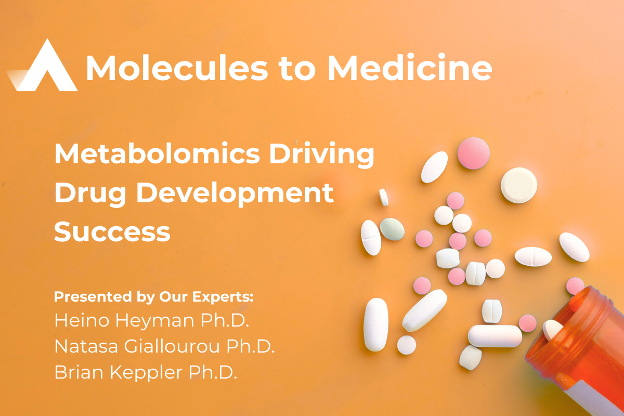
On Demand Webinar: Advancing Drug Discovery with Metabolomics
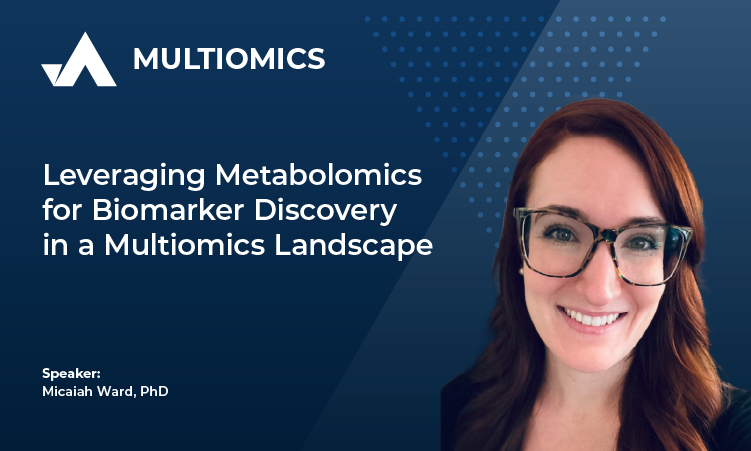
On Demand Webinar: Leveraging Metabolomics for Biomarker Discovery in a Multiomics Landscape
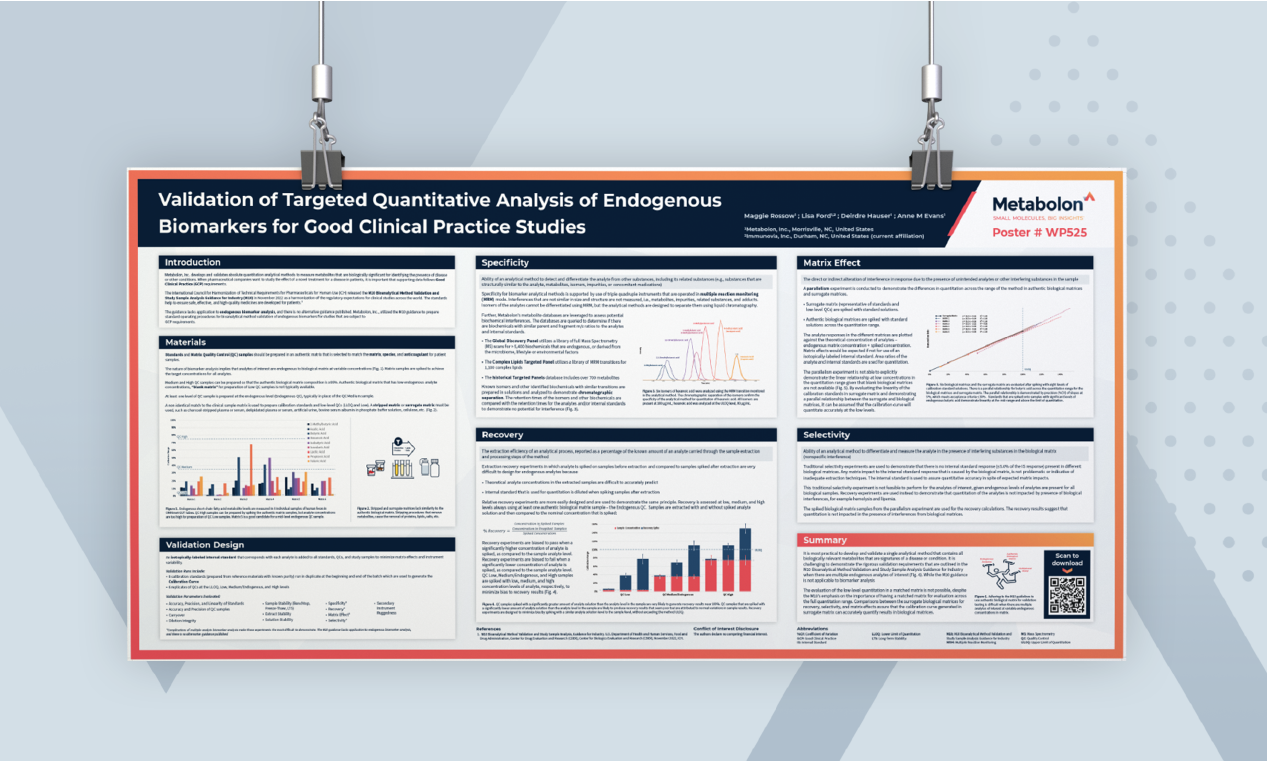
Poster: Validation of Targeted Quantitative Analysis of Endogenous Biomarkers for Good Clinical Practice Studies
Featured Drug Discovery Publications and Citations
Metabolon has contributed extensively to publications ranging from basic research to clinical trials.
Safety and target engagement of an oral small-molecule sequestrant in adolescents with autism spectrum disorder: an open-label phase 1b/2a trial
Previous work done at Metabolon connected the gut-metabolite 4-EPS to autism behaviours. In this current study utilized Metabolon’s Global Discovery Platform in an open-label, single cohort, multiple-ascending-dose (MAD) clinical trial to demonstrate target engagement by the experimental drug, AB-2004.
Host metabolome predicts the severity and onset of acute toxicities induced by CAR T-cell therapy.
While CAR T-cell therapy is highly effect, widespread use is limited due to significant acute inflammatory toxicities. Metabolomics uncovered predictive markers of CAR-T cell toxicity to identify patients at risk of significant toxicity.
Integrative Analysis of the Inflammatory Bowel Disease Serum Metabolome Improves our Understanding of Genetic Etiology and Points to Novel Putative Therapeutic Targets.
Integration of metabolomic and genomic data to identify causal pathways in IBD which led to the development of candidate therapeutic targets.
Glycerophosphoinositol is Elevated in Blood Samples From CLN3Δex7-8 pigs, Cln3Δex7-8 Mice, and CLN3-Affected Individuals.
In research that spanned preclinical discovery through clinical assay development, Metabolon’s Global Discovery Platform was integrated with other omics datasets to develop a metabolite biomarker for screening Batten disease.
Metabolomics analysis reveals elevation of 3-indoxyl sulfate in plasma and brain during chemically-induced acute kidney injury in mice: Investigation of nicotinic acid receptor agonists
Untargeted metabolomics helped identify a set of sensitive markers of renal toxicity and characterize the mechanism of toxicity of the drug candidate. 3-Indoxyl Sulphate (3-IS) was discovered as a more sensitive marker of renal toxicity than urea and creatinine which saved Merck on development costs and created a useful biomarker to screen lead compound libraries.
Drug Development FAQs
Metabolon strives to ensure your metabolomics study is successful and offers key insights into your scientific questions. We support you at every step from study design to data delivery.
How Can Metabolomics Accelerate the Drug Discovery and Development Pipeline?
Metabolomics provides a fast and comprehensive view of how drugs affect biological systems. By profiling thousands of small molecules simultaneously, researchers can quickly identify mechanisms of action, detect early biomarkers of efficacy, and flag potential safety concerns. This shortens timelines, reduces costly late-stage failures, and supports smarter go/no-go decisions earlier in development.
What Unique Insights Does Metabolomics Provide Beyond Genomics and Proteomics?
Genomics tells us what could happen, proteomics shows what might be happening, but metabolomics reveals what is actually happening in real time. Because metabolites are the end products of cellular processes, they provide the closest link to phenotype. This means metabolomics delivers actionable insights into drug activity, patient response, and disease biology that other “omics” cannot capture alone.
How Does Metabolomics Improve Decision-Making in Clinical Trials?
Clinical trial success depends on selecting the right patients and monitoring the right endpoints. Metabolomics helps by identifying biomarkers that can predict which patients are most likely to respond, uncovering early indicators of efficacy or toxicity, and providing translational data that regulators recognize as valuable. This leads to more precise trial design, higher success rates, and reduced risk.

The Leading Untargeted Metabolomics Solution
Gain access to unrivaled data insights from our untargeted metabolomics service, leveraging the largest level 1 annotated library of metabolites for commercial use. Explore over 70 biochemical pathways and detect up to 5,400 metabolites in a single biological sample.
GET STARTED
Talk with an expert
Request a quote, get detailed information on sample types, or learn how metabolomics can accelerate your research. Find our contact details are here.
Find us on:


