POSTERS
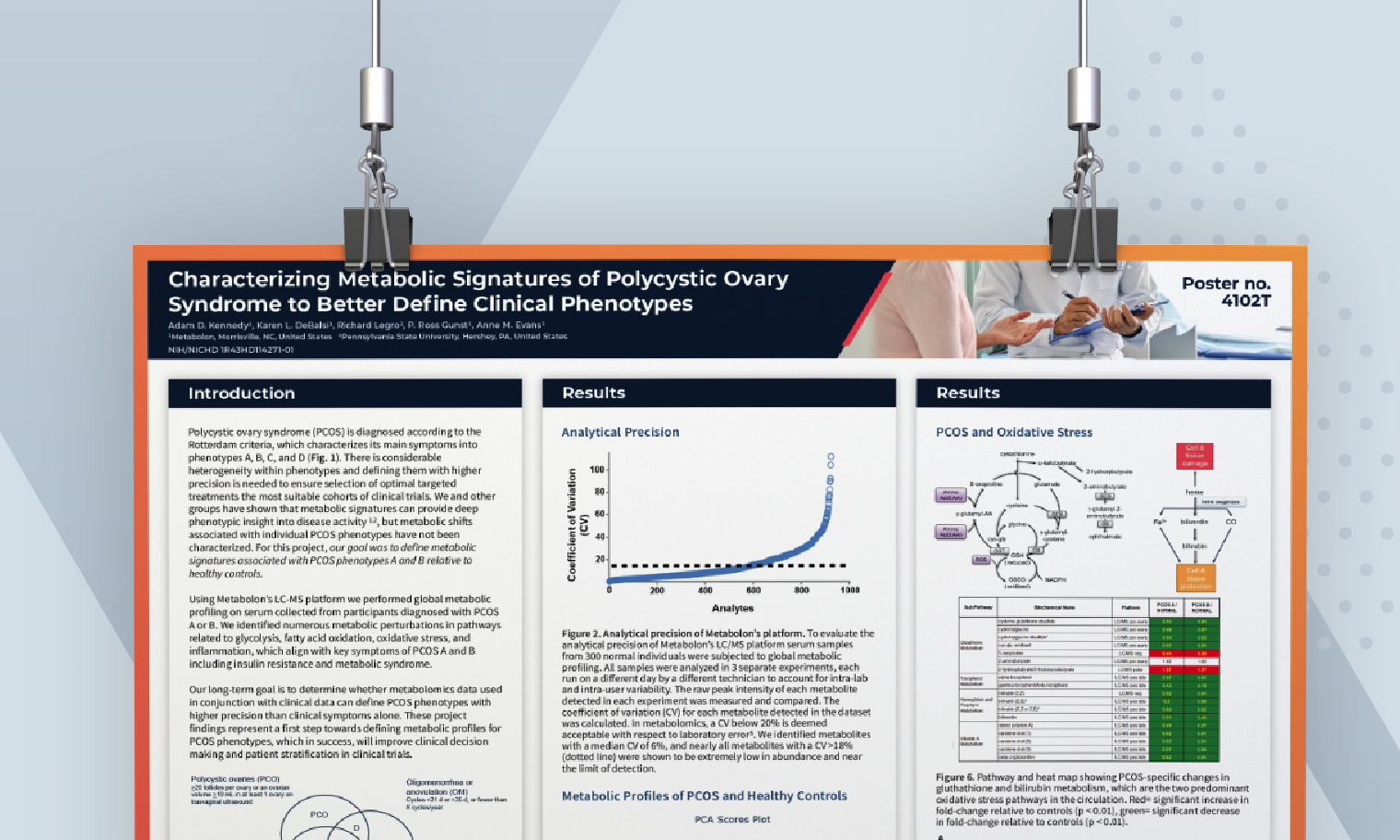
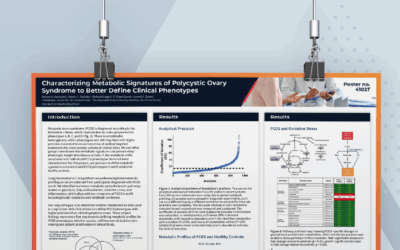
Characterizing metabolic signatures of polycystic ovary syndrome to better define clinical phenotypes
Adam D. Kennedy1, Karen L. DeBalsi1, Richard Legro2, P. Ross Gunst1, Anne M. Evans1
Polycystic ovary syndrome (PCOS) is a complex endocrine disorder diagnosed according to the Rotterdam criteria, which characterizes its main symptoms into phenotypes A, B, C, and D. There is considerable heterogeneity within phenotypes and defining them with higher precision is needed to ensure optimal targeted treatments are used and clinical trials contain the most suitable cohorts. We and other groups have shown that metabolic signatures can provide deep phenotypic insight into disease activity, but metabolic shifts associated with individual PCOS phenotypes have not been characterized. For this project, our goal was to define metabolic signatures associated with PCOS phenotypes A and B relative to a healthy reference population. We leveraged Metabolon’s LC-MS platform to perform global metabolic profiling on serum collected from participants diagnosed with PCOS phenotype A or phenotype B. We identified numerous metabolic perturbations in pathways related to glycolysis, fatty acid oxidation, oxidative stress, and inflammation, which align with key symptoms of both phenotypes including insulin resistance and metabolic syndrome. Our long-term goal is to determine whether metabolomics data used in conjunction with clinical data can define PCOS phenotypes with higher precision than clinical symptoms alone. These project findings represent a first step towards this goal, which in success, will improve clinical decision making and patient stratification in clinical trials.
- Metabolon, Inc., Morrisville, NC
- Pennsylvania State University, Hershey, PA