
Applications | Kidney Function & Disease
Understanding Kidney Function and Disease
Explore how metabolomics can reveal new insights in renal health and disease.

Used By


Featured Kidney Disease Resources
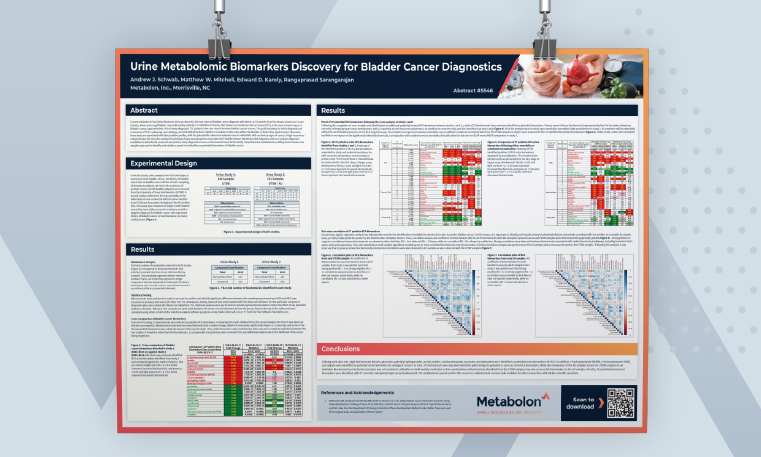


Metabolomics in Kidney Function and Disease Research
In renal research, a significant challenge is identifying specific biomarkers for kidney function, as traditional blood markers often indicate dysregulated kidney function only after significant damage has occurred. Early detection of kidney diseases, particularly at the molecular level, remains a critical yet elusive goal. Understanding the subtle onset and progression of renal diseases requires advanced tools that can detect nuanced changes in kidney function before traditional markers indicate significant impairment.
Metabolomics stands out as an advanced approach, providing a detailed analysis of metabolic changes closely related to real-time kidney function and disease pathophysiology. It allows researchers to identify the metabolic pathways involved in kidney disease, offering important insights into the molecular mechanisms behind disease and enabling biomarker discovery, crucial for early detection of renal disorders. The integration of metabolomics with other techniques for studying renal diseases may also facilitate the rapid translation of findings into therapeutic strategies and diagnostic tools, such as targeted therapies and non-invasive diagnostic tests.

Uncover Functional, Actionable Insights with Metabolomics
More research is needed to enable early detection of kidney disease. Metabolon can help researchers elucidate the metabolic pathways involved in kidney disease and identify early disease detection, progression, and prognosis biomarkers. Using targeted metabolomics panels, these biomarkers can be translated to actionable insights to advance renal disease detection and treatment.
Profiling Metabolic Changes in Renal Diseases
Metabolomics provides detailed insights into metabolic alterations associated with renal diseases, such as identifying specific metabolic signatures unique to glomerular diseases. A study published in Nature Genetics compared genotype to metabotype to identify metabolites associated with chronic kidney disease (CKD). The multiomic study identified metabolites that may have value as biomarkers for risk prediction or response to treatment.
Schlosser P, Scherer N, Grundner-Culemann F, et al. Genetic studies of paired metabolomes reveal enzymatic and transport processes at the interface of plasma and urine. Nat Genet. 2023;55(6):995-1008. doi:10.1038/s41588-023-01409-8
Pathway Analysis in Kidney Disease Pathogenesis
Metabolomics offers a deep understanding of altered metabolic pathways in kidney diseases, aiding in the development of targeted therapies, such as in cases of nephrotic syndrome where specific pathway disruptions can be targeted. For example, in a study published in Nature Metabolism, metabolomics identified NAD+ deficiency as a disease signature of kidney disease.
Doke T, Mukherjee S, Mukhi D, et al. NAD+ precursor supplementation prevents mtRNA/RIG-I-dependent inflammation during kidney injury. Nat Metab. 2023;5(3):414-430. doi:10.1038/s42255-023-00761-7
Pharmacometabolomic Assessment
Metabolomics can be used to verify reported medication use. Urine drug metabolite levels were associated with self-reported medication use in a study published in Nephrology Dialysis Transplantation, demonstrating the utility of metabolomics for confirming prescription use patterns in CKD patients.
Kotsis F, Schultheiss UT, Wuttke M, et al. Self-Reported Medication Use and Urinary Drug Metabolites in the German Chronic Kidney Disease (GCKD) Study. J Am Soc Nephrol. 2021;32(9):2315-2329. doi:10.1681/ASN.2021010063


Metabolomics Applications for Kidney Function and Disease Research
- EBiomarker discovery
- EEarly disease detection
- EUnderstanding disease pathogenesis
- EDisease risk prediction
- EPersonalized medicine research
- EDrug discovery and development
- EIdentify disease molecular signatures
- EMonitor therapeutic levels and responses
- EGenotype-metabolite associations

“Metabolomic profiling in individuals with chronic kidney disease (CKD) has the potential to identify novel biomarkers and provide insight into disease pathogenesis.”
Wen D, Zheng Z, Surapaneni A, et al.
Metabolite profiling of CKD progression in the chronic renal insufficiency cohort study. JCI Insight. 2022;7(20):e161696. Published 2022 Oct 24. doi:10.1172/jci.insight.161696
Understanding Pediatric Chronic Kidney Disease with Metabolomics and Machine Learning
Chronic kidney disease (CKD) is characterized by progressive kidney function loss. CKD can eventually lead to kidney failure, which can only be treated with dialysis or a kidney transplant. Focal segmental glomerulosclerosis (FSGS), obstructive uropathy (OU), aplasia/dysplasia/hypoplasia (A/D/H), and reflux nephropathy (RN) are common clinical conditions that can cause pediatric CKD. Birth defects in the kidney or urinary tract can lead to these clinical conditions. However, the signaling pathways that lead to substantial heterogeneity between these conditions have not been extensively explored. Large-scale metabolomic profiling may lead to the discovery of metabolic profiles that will expand our understanding of pediatric CKD causes.

Figure 1. Bar plots illustrate the performance of ML models with support vector machine classification (SVM) with no feature selection (842 metabolites; left), forward feature selection (122 metabolites; middle) and Lasso feature selection (56 metabolites; right). SVM with Lasso feature selection outperformed no-selection and forward-selection models.
In this study, machine learning (ML) modeling was used to complement traditional biostatistics to detect metabolomic signatures associated with each CKD diagnosis. The research team determined that sphingomyelin-ceramide and plasmalogen dysmetabolism are associated with FSGS . OU was associated with gut microbiome-derived histidine metabolites and the histidine subpathway. A/D/H was associated with individual ceramide and urea cycle metabolites and their subpathways. RN was associated with individual tryptophan, benzoate, and medium-chain fatty acid metabolites and their subpathways.
This study sheds light on metabolites and metabolic pathways associated with pediatric CKD. The untargeted plasma metabolomics data from this population health study represent an exciting opportunity to better understand biochemical differences based on underlying pediatric CKD causes. Identification of such differences may improve our ability to predict disease progression and associated morbidity and may identify potential therapeutic targets. The refined sets of predictive metabolic biomarkers can be leveraged for the development of new clinical tests for more timely and accurate prediction and management of pediatric CKD.
Lee AM, Hu J, Xu Y, et al. Using Machine Learning to Identify Metabolomic Signatures of Pediatric Chronic Kidney Disease Etiology. J Am Soc Nephrol. 2022;33(2):375-386. doi:10.1681/ASN.2021040538
Kidney Function and Disease Publications and Citations
Metabolon has contributed extensively to publications ranging from basic research to clinical trials.
Kidney Function and Disease Knowledge Base
Dive deeper by viewing our case studies and webinars. Learn more about how Metabolon furthers kidney function disease research and check back for more to stay up to date on the latest developments in metabolomics in kidney disease and health.
Contact Us
Talk with an expert
Request a quote for our services, get more information on sample types and handling procedures, request a letter of support, or submit a question about how metabolomics can advance your research.
Corporate Headquarters
617 Davis Drive, Suite 100
Morrisville, NC 27560
Mailing Address:
P.O. Box 110407
Research Triangle Park, NC 27709