Event Details
Speakers
Share this webinar
Join Dr. Carlos Cruchaga, Ph.D., and Dr. Casey M. Rebholz, Ph.D. as they explore the relationships between genetics, genomics, disease, and metabolomics in this one-hour, two-session virtual seminar.
Large population studies offer the greatest opportunities to uncover the mechanisms of human biology.
Genome-wide association studies (GWAS) combined with metabolomics is a proven multi-omics model for greater biological insights. Investigators have demonstrated associations between metabolite biomarkers, genomic markers, and the onset of diseases or disorders.
In this webinar, we will share demonstrable outcomes from large-population, multi-omics studies and explore the roles of genomics and metabolomics as complementary statistical datasets.
Program
| Time | Presenter | Title/Abstract |
|---|---|---|
| 1:00 – 1:30 PM ET | Dr. Carlos Cruchaga, Ph.D. | Unique genetic architecture of cerebrospinal fluid (CSF) and brain metabolites pinpoints the novel targets for the traits of human wellness Brain metabolism perturbation can contribute to traits and diseases. We conducted the first large-scale CSF and brain genome-wide association studies, which identified 219 independent associations (59.8% novel) for 144 CSF metabolites and 36 independent associations (55.6% novel) for 34 brain metabolites. The majority of the novel signals (97.7% and 70.0% in CSF and brain) were tissue specific. We also integrated MWAS-FUSION approaches with Mendelian Randomization and colocalization to identify causal metabolites for 27 brain-related phenotypes. We also identified eight metabolites to be causal for eight traits (11 relationships). Low mannose level was causal to bipolar disorder and as a dietary supplement, it may provide therapeutic benefits. Low galactosylglycerol level was found causal to Parkinson’s Disease (PD). Our study expanded the knowledge of Methylation quantitative trait loci (mQTL) in central nervous system, provided insights into human wellness, and successfully demonstrates the utility of combined statistical approaches to inform interventions. |
| 1:30 – 1:45 ET | Dr. Heino Heyman, Ph.D. | Global Untargeted Metabolomics Service for Cohorts Overview |
| 1:45 – 2:15 ET | Dr. Casey M. Rebholz, Ph.D. | Dietary Strategies for Kidney Disease Prevention and Metabolomic Markers Dietary approaches for kidney disease prevention and management have focused on restricting protein, sodium, and potassium. Our research in the Atherosclerosis Risk in Communities (ARIC) study has demonstrated that lower dietary acid load and higher adherence to plant-based diets are prospectively associated with a lower risk of incident chronic kidney disease. There is a lack of objective biomarkers of dietary intake and a limited understanding of the biological mechanisms linking dietary intake to chronic kidney disease. Relating untargeted metabolomics to dietary intake and chronic kidney disease in the ARIC study has allowed us to identify metabolites that are candidate biomarkers of dietary acid load and plant-based diets, and to elucidate metabolic pathways that explain our observed associations between these dietary factors and chronic kidney disease risk. |
| 2:15 – 2:30 ET | Heino Heyman | Questions & Answers |
Speakers
Dr. Carlos Cruchaga, Ph.D.
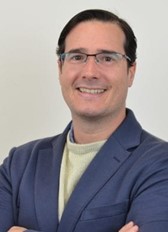 Professor of Psychiatry, Washington University School of Medicine in St. Louis
Core Leader, Genetics & High Throughput – Omics, Knight Alzheimer Disease Research Center (ARDC),
Core Co-Leader, Genetics, The Dominantly Inherited Alzheimer Network (DIAN)
Scientific Advisor, McDonnell Genome Institute (MGI)
Director, NeuroGenomics and Informatics lab
Dr. Casey M. Rebholz, Ph.D.
 Associate Professor of Epidemiology, Johns Hopkins Bloomberg School of Public Health Core Faculty, Welch Center for Prevention, Epidemiology, and Clinical Research
Heino Heyman, Ph.D.
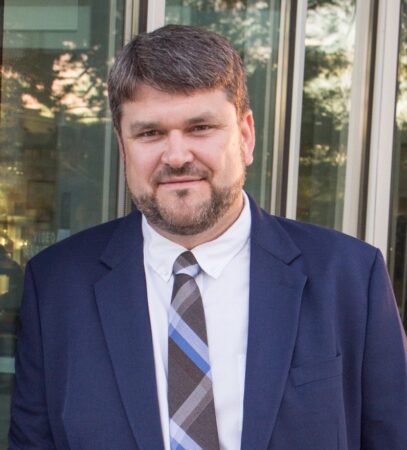 Global Field Metabolomics Specialists Manager, Metabolon
Heino Heyman has been involved in Metabolomics for more than 10 years, starting in 2010 he worked on implementing metabolomics to develop quicker ways of finding active ingredients in natural products and better approaches of understanding hardy crops. In 2015 he joined the Integrative Omics team at Pacific Northwest National Lab, WA where he worked in the metabolomics group. Here he continued to apply metabolomics in several different fields, including human, microbial, plant, and soil metabolomics.
After his postdoc, he transitioned into the industry and joined Bruker Scientific, as a metabolomics applications specialist. At Bruker, he was prominent in promoting and showcasing solutions for customers using high-end ion-mobility mass spectrometry instrumentation addressing critical metabolomics problems. At the end of 2020, he joined Metabolon as a metabolomics application specialist to be involved in Metabolon’s leading metabolomics service and to get closer to the translational science that metabolomics informs.