
Applications | Ecology
Ecology and Metabolism
Navigate ecosystems through metabolomics insights for sustainable conservation and biodiversity management.

Used By


Featured Ecology Resources

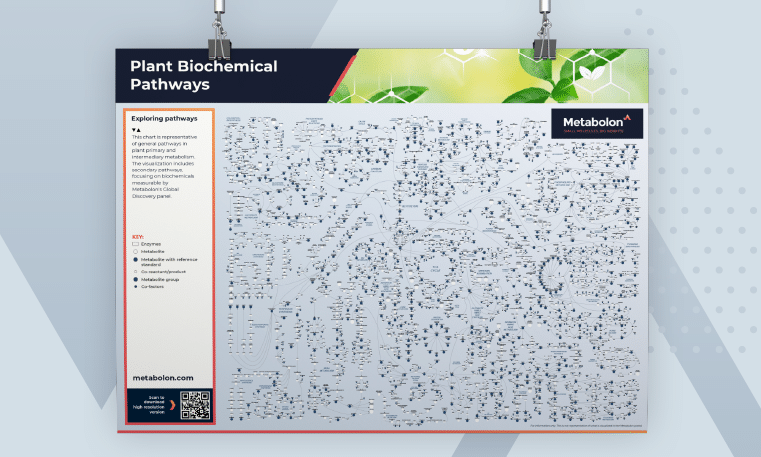


Metabolomics in Ecology
Deciphering intricate biochemical interactions in ecosystems can be challenging. Traditional methods, focused on species diversity and population dynamics, often fall short of providing a comprehensive understanding of the underlying metabolic processes that drive ecological interactions. This limitation hampers our ability to grasp the finer nuances of species’ responses to environmental changes, hindering effective conservation strategies and ecosystem management. Metabolomics emerges as a cutting-edge scientific approach that can significantly reshape the landscape of ecological research.
Metabolomics allows researchers to investigate the complete set of small molecules or metabolites present in a given biological sample, providing a unique and comprehensive snapshot of the biochemical landscape. This powerful technique enables the simultaneous analysis of multiple metabolic pathways, shedding light on how organisms respond to environmental stimuli and stressors. Metabolomics can help unravel the intricacies of chemical signaling between species, elucidating ecological interactions at a molecular level. By employing metabolomics in ecology research, scientists gain insights into the dynamic and complex nature of ecosystems, overcoming the limitations of traditional methods and paving the way for more informed conservation strategies and sustainable environmental management.

Uncover Functional, Actionable Insights with Metabolomics
Comprehensive Insights into Ecosystem Health
Metabolomics provides a comprehensive view of the biochemical composition within ecosystems. By analyzing the complete set of small molecules (metabolites) present in biological samples like soil, water, and plants, researchers get a snapshot of the metabolic status and health of ecosystems. This allows for a more nuanced understanding of how organisms respond to environmental changes, aiding in the identification of early signs of stress or disturbances. Nutrient enrichment of the soil, for example, can cause huge changes in the soil microbiome, having a direct effect on ecosystem functioning.
Brown RW, Chadwick DR, Bending GD, et al. Nutrient (C, N and P) enrichment induces significant changes in the soil metabolite profile and microbial carbon partitioning. Soil Biology and Biochemistry. 2022/09/01/ 2022;172:108779. doi:https://doi.org/10.1016/j.soilbio.2022.108779
Early Detection of Environmental Disturbances
Metabolomics enables the early detection of disturbances and stressors in ecological systems. By identifying shifts in metabolic profiles, scientists can uncover subtle changes in response to environmental factors, providing an early warning system for potential issues. This proactive approach is crucial for effective conservation and management, allowing for timely interventions to mitigate the impact of disturbances on biodiversity and ecosystem functionality. For example, a study published in Science of the Total Environment used metabolomics and other omics on shrimp as a model to investigate the impact of microplastics on aquatic organisms and ecosystems.
Duan Y, Xiong D, Wang Y, et al. Toxicological effects of microplastics in Litopenaeus vannamei as indicated by an integrated microbiome, proteomic and metabolomic approach. Science of The Total Environment. 2021/03/20/ 2021;761:143311. doi:https://doi.org/10.1016/j.scitotenv.2020.143311
Identification of Biomarkers for Environmental Monitoring
Metabolomics facilitates the discovery of biomarkers that serve as indicators of environmental conditions and stress. These biomarkers, derived from metabolic signatures, can be used for precise and efficient monitoring of ecological health. The development of targeted panels based on metabolomic insights allows for the creation of practical tools for environmental monitoring, helping researchers and conservationists make informed decisions for the sustainable management of ecosystems. A study in Environment International looked for metabolomic signatures to indicate exposure to ambient fine particular matter ≤ 2.5 µm, which is linked to inflammation and oxidative stress. This application is one way metabolomics can be used to investigate associations to environmental exposures like air pollution.
Nassan FL, Wang C, Kelly RS, et al. Ambient PM2.5 species and ultrafine particle exposure and their differential metabolomic signatures. Environment International. 2021/06/01/ 2021;151:106447. doi:https://doi.org/10.1016/j.envint.2021.106447


Metabolomics Applications for Ecology Research
- EUnderstanding of ecosystem health
- EEarly detection of environmental stress
- EEcosystem management
- ETrack environmental disturbances
- EBiomarker discovery
- EDevelop environmental monitoring tools
- EInvestigate exposure-metabolite relationships
- EEarly warning of environmental issues
- EUnderstanding of ecosystem function

“Our findings show that unlike standard OECD blood biochemistry and organ histological analysis conducted for regulatory purposes, blood metabolomics, liver transcriptomics and genome-wide DNA methylation analysis highlighted the adaptation to metabolic stress induced by exposure to the mixture of pesticides. Our results suggest that the adoption of multi-omics as part of regulatory chemical risk assessment procedures will result in greater sensitivity, accuracy and predictability of outcomes from in vivo studies, with positive public health implications.”
Mesnage, R., Teixeira, M., Mandrioli, D. et al.
Multi-omics phenotyping of the gut-liver axis reveals metabolic perturbations from a low-dose pesticide mixture in rats. Commun Biol. 4, 471 (2021). doi:https://doi.org/10.1038/s42003-021-01990-w. Available under CC BY 4.0.
Metabolomics Insights into Ecology
A multi-omics approach, including metabolomics, was used to identify metabolic perturbations resulting from low-dose pesticide exposure. The study compared standard histopathology and serum biochemistry measures with multi-omics analyses in a subchronic toxicity test of a mixture of six pesticides frequently detected in foodstuffs. The results revealed that unlike standard Organization of Economic Co-operation and Development (OECD) blood biochemistry and organ histological analysis; blood metabolomics, liver transcriptomics, and genome-wide DNA methylation analysis highlighted the adaptation to metabolic stress induced by exposure to the pesticide mixture. The study demonstrated that in-depth molecular profiling in laboratory animals exposed to low concentrations of pesticides allows the detection of metabolic perturbations that would remain undetected by standard regulatory biochemical measures, thus improving the predictability of health risks from exposure to chemical pollutants.

[FIGURE LEGEND]. A Study design. Groups of 12 female rats were administered via drinking water with a mixture of six pesticides at the EU ADI for 90 days. Analyses following sacrifice are also shown (illustration created with BioRender.com). B Molecular structures of pesticide active ingredients tested. (Chemical structure from pubchem.com). Water consumption (C), feed consumption (D) and body weights with their 95% confidence interval band (E) remained unchanged (controls, black; pesticide-exposed, red).
Figure 1. Multi-omics phenotyping of the gut-liver axis reveals metabolic perturbations from a low-dose pesticide mixture in rats. Figure from Mesnage, R., Teixeira, M., Mandrioli, D. et al. Commun Biol 4, 471 (2021). https://doi.org/10.1038/s42003-021-01990-w Available under CC BY 4.0.
The multi-omics approach, particularly the use of metabolomics, provided valuable insights into the metabolic effects of the pesticide mixture. The analysis of the host-gut microbiome axis using metabolomics revealed alterations in multiple metabolic pathways, including lysine, leucine, isoleucine, valine, phenylalanine, nicotinate, and nicotinamide metabolism. The study also identified changes in fatty acid, dicarboxylate, and mevalonate metabolism, and the TCA cycle, among others, highlighting the broad impact of the pesticide mixture on metabolic pathways. The findings suggest that the adoption of multi-omics, including metabolomics, as part of regulatory chemical risk assessment procedures will result in greater sensitivity, accuracy, and predictability of outcomes from in vivo studies, with positive public health implications.
Ecology Publications and Citations
Metabolon has contributed to publications ranging from basic research to clinical trials.
Ecology Knowledge Base
Dive deeper by viewing our case studies and webinars. Learn more about how Metabolon furthers ecology research and check back for more to stay up to date on the latest developments in metabolomics in ecology.



Contact Us
Talk with an expert
Request a quote for our services, get more information on sample types and handling procedures, request a letter of support, or submit a question about how metabolomics can advance your research.
Corporate Headquarters
617 Davis Drive, Suite 100
Morrisville, NC 27560
Mailing Address:
P.O. Box 110407
Research Triangle Park, NC 27709